Vicky Foxcroft MP Steps Into Gambling Policy Role at DCMS Following Recent Reshuffle
Written by Henrik Braun · Aug 17, 2026

Vicky Foxcroft MP Steps Into Gambling Policy Role at DCMS Following Recent Reshuffle
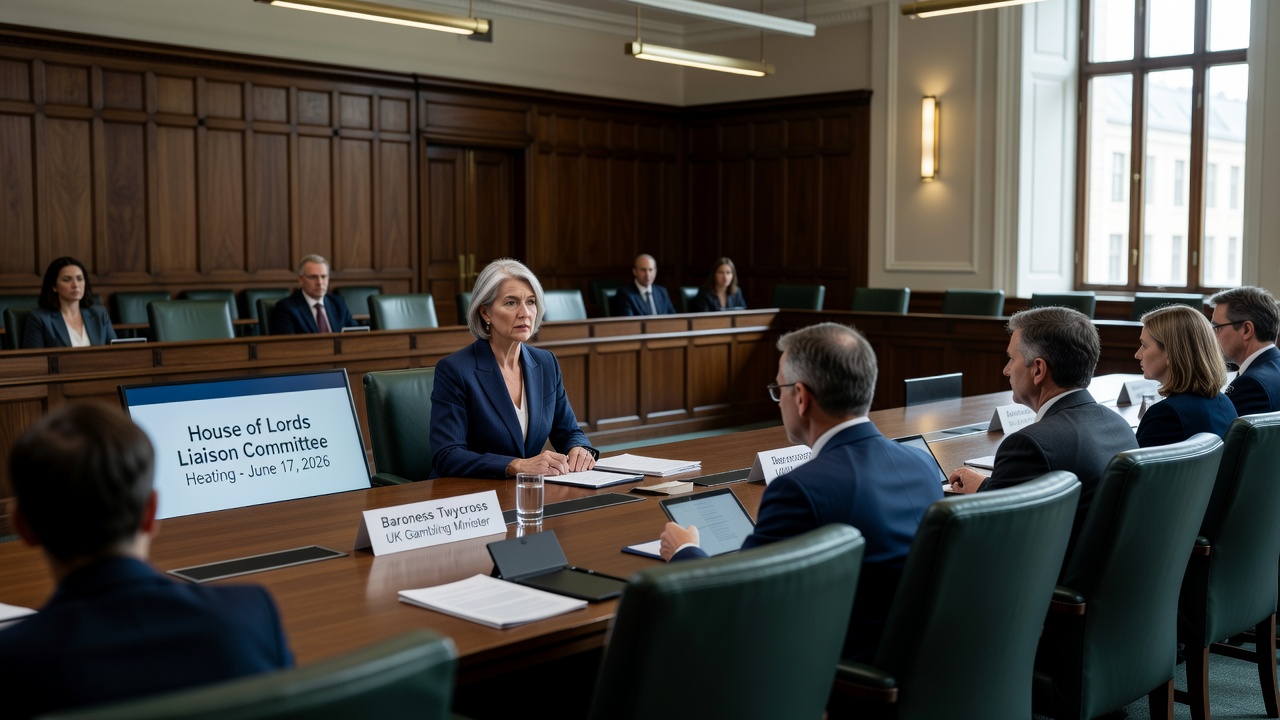
Vicky Foxcroft, who has served as MP for Lewisham North since 2015, has taken up the position of minister responsible for gambling policy at the Department for Culture, Media and Sport, and this move comes as part of a broader government reshuffle that also saw Baroness Twycross step away from the post. The change places Foxcroft in charge of overseeing key aspects of gambling regulation, including high-street premises, advertising standards, and consumer protection measures, while her prior voting record shows consistent support for tighter controls in these areas.
According to reports from industry sources, the Betting and Gaming Council responded positively to the appointment and indicated plans to work with the new minister on developing proportionate regulation that also addresses illegal gambling operations across the sector. This collaboration intent highlights how industry groups often seek direct engagement with incoming officials to align on practical implementation steps, and observers note that such outreach typically follows ministerial transitions in order to maintain ongoing dialogue between regulators and operators.
Background on the Transition and Foxcroft's Parliamentary Experience
Foxcroft's elevation to this specific policy brief builds on her established presence in the House of Commons, where she has participated in discussions around consumer safeguards and advertising restrictions, and her approach aligns with legislative efforts that emphasize stronger protections for those using gambling services. The reshuffle that facilitated this appointment reflects routine adjustments within government departments, and it positions the DCMS to continue its work on policy frameworks that balance operator activities with public interest considerations.
Those familiar with parliamentary procedures point out that ministers in this role manage responsibilities that include reviewing high-street betting shops, monitoring digital advertising campaigns, and strengthening rules designed to protect vulnerable consumers, while the incoming official brings a track record of advocating for these priorities through votes and statements in earlier sessions. The replacement of Baroness Twycross marks a shift in personnel rather than a departure from existing departmental goals, and continuity in these areas remains a focus for both the government and external stakeholders.
Industry Response and Collaborative Outlook
The Betting and Gaming Council welcomed the announcement and expressed readiness to collaborate on measures that address illegal gambling alongside regulated market activities, and this stance aligns with standard practices where trade bodies engage new officials to share data and perspectives on enforcement challenges. Industry representatives have highlighted the importance of proportionate approaches that avoid overly broad restrictions while still targeting unlicensed operators who operate outside established legal channels.
Reports indicate that such welcoming statements often serve as openings for further discussions on regulatory updates, and the council's comments specifically referenced the need to tackle illegal gambling as a shared priority. This focus on illegal activities draws attention to enforcement gaps that affect licensed operators, and it underscores how ministers in the DCMS role frequently receive input from multiple sides during policy development phases.
Policy Areas Under Foxcroft's Oversight
Foxcroft's responsibilities now encompass oversight of high-street gambling premises, where local licensing decisions intersect with national guidelines, and she brings experience from prior advocacy on advertising limits that aim to reduce exposure among younger audiences. Consumer protection forms another core element of the brief, and this includes reviewing measures that promote responsible play while maintaining access for those who choose to participate in regulated markets.
Data from parliamentary records shows Foxcroft has supported initiatives that strengthen these protections, and her appointment places her in a position to influence how these policies evolve under the current administration. The DCMS continues to handle related files that involve coordination with other departments, and the new minister will participate in cross-government efforts that address both online and offline gambling environments.
Context Within Broader Government Adjustments
Government reshuffles of this nature occur periodically to refresh ministerial teams and redistribute portfolios, and the move involving Foxcroft and Baroness Twycross fits this pattern of internal adjustments. The DCMS maintains its mandate over cultural, media, and sport-related policies, with gambling regulation forming one specialized component that requires dedicated attention from the assigned minister.
External organizations, including those representing betting operators, monitor these transitions closely because they can affect timelines for consultations and legislative proposals, and the Betting and Gaming Council's stated intent to collaborate reflects a common response in such situations. The emphasis on proportionate regulation appears in multiple industry statements following similar appointments, and it points to ongoing conversations about how rules can adapt to emerging market conditions while still upholding consumer standards.
Conclusion
The appointment of Vicky Foxcroft as the minister handling gambling policy at the DCMS represents a personnel change within an established departmental structure, and it brings her parliamentary background on tighter controls into direct contact with ongoing regulatory work. The Betting and Gaming Council's response signals continued industry engagement on issues such as illegal gambling, and the overall transition occurs amid routine government reshuffling that affects multiple roles across departments. Observers will track how these elements interact in the months ahead as policy discussions continue.