Secure Transaction Networks Connecting Mobile Reel Activity to Live Dealer Play and Progressive Reward Structures
Written by Xander Frank · Nov 22, 2026
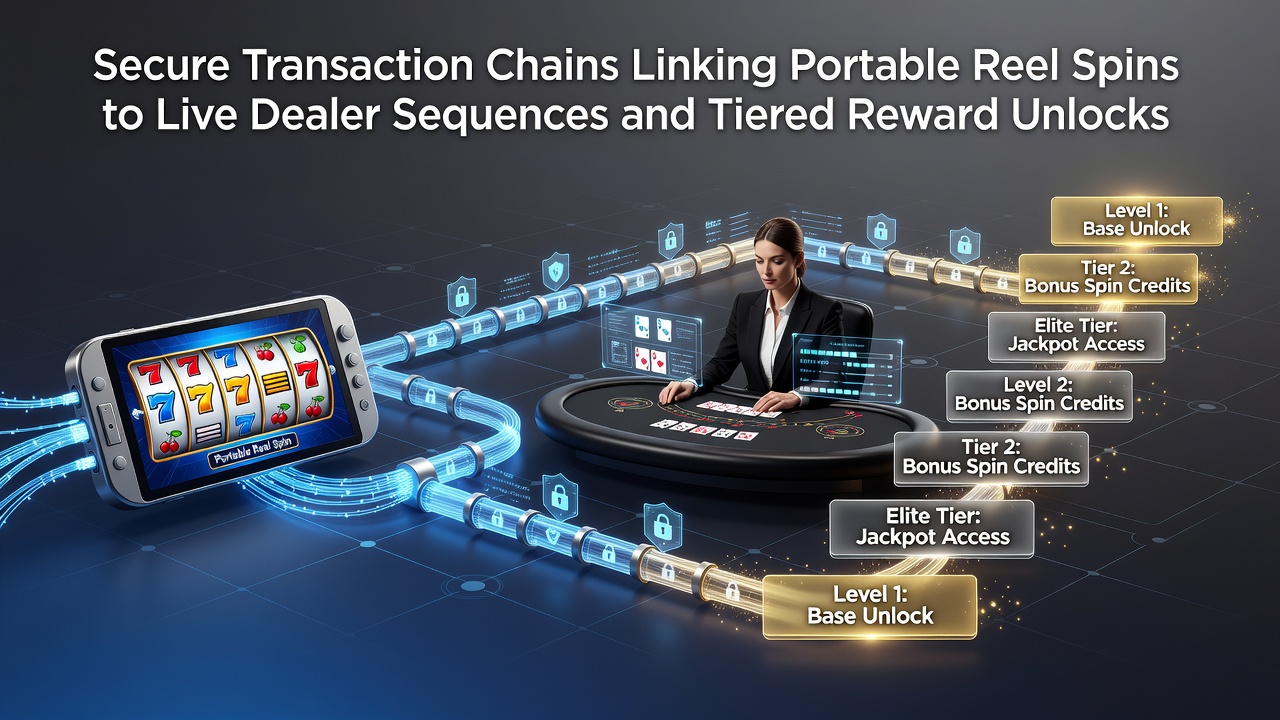
Secure Transaction Networks Connecting Mobile Reel Activity to Live Dealer Play and Progressive Reward Structures
Secure transaction networks form the backbone of many online gaming platforms where mobile reel spins feed into live dealer sequences and unlock tiered rewards through verified payment pathways. These systems rely on encrypted data transfers that record each deposit, spin, and table interaction while maintaining separation between player funds and operational accounts. According to reports from the Nevada Gaming Control Board, such networks have expanded since 2024 with emphasis on real-time verification protocols that link portable device activity to centralized reward databases.
Mechanics of Portable Reel Integration
Mobile reel spins operate through random number generators that transmit results across secure channels to platform servers, and these same channels often carry data that accumulates toward live dealer eligibility. Payment processors handle the initial funding step by confirming transaction hashes before any reel activity begins, which creates a chain that later connects to table sequences when players switch formats. Data from the Canadian Gaming Association shows transaction volumes in mobile segments grew 18 percent year-over-year through mid-2026, driven by platforms that synchronize reel outcomes with live video feeds via shared ledgers.
Linking to Live Dealer Sequences
Live dealer sequences require continuous authentication streams that pull from the same payment verification layers used for mobile reels, ensuring that funds transferred for slot play remain available for table wagers without separate re-authorization. Observers note that multi-factor checks occur at each transition point, while session tokens carry forward accumulated play metrics that influence reward tier progression. Research published by the University of Nevada's gaming technology center indicates these linked sequences reduce latency in cross-format movement by routing all actions through a single encrypted pipeline rather than isolated modules.
Tiered Reward Unlocks Through Verified Chains
Tiered rewards advance when transaction records demonstrate consistent activity across both reel and dealer formats, with each level requiring documented deposits and play volume that the network logs automatically. The process begins with a base tier after the first verified transfer, then escalates as cumulative data from mobile spins and live table rounds meets predefined thresholds. Figures from the Australian Communications and Media Authority reveal that platforms employing unified transaction chains reported a 22 percent increase in reward redemption rates during the first three quarters of 2026, particularly around November when seasonal promotions align with updated compliance standards.
Encryption standards such as TLS 1.3 protect the data flows that move between portable devices and live dealer servers, while blockchain-style ledgers sometimes supplement traditional databases to create immutable records of each unlock event. Those who study these systems find that the chain structure prevents retroactive alterations to reward eligibility, which in turn supports regulatory audits across multiple jurisdictions.
Payment Flow Examples in Practice
One documented case involves a platform that routes a mobile deposit through an initial gateway check, then attaches the resulting token to both reel sessions and subsequent live dealer entries, automatically advancing the player through three reward tiers once total wagered amounts cross set markers. Another example tracked by industry analysts shows how European operators integrated instant bank transfer APIs that feed directly into the same chain, allowing seamless movement from portable spins to high-limit table sequences without interrupting reward accumulation. These examples illustrate how the network design keeps all components synchronized rather than operating as separate silos.
Regulatory and Technical Context in Late 2026
By November 2026 several international standards bodies had updated guidelines on cross-format transaction security, requiring platforms to maintain auditable links between mobile and live dealer activity for reward calculations. The Malta Gaming Authority introduced additional reporting requirements for operators using unified payment chains, while similar updates appeared in Singapore's regulatory framework. These changes emphasize data integrity across the entire sequence from initial deposit through final reward distribution, without mandating any single technology stack.
Conclusion
Secure transaction networks continue to evolve as the primary method for connecting mobile reel spins with live dealer sequences and tiered reward structures. The documented growth in synchronized payment systems, supported by data from multiple regulatory regions, demonstrates how encrypted chains and shared ledgers maintain continuity across formats while meeting compliance expectations. Ongoing technical refinements in 2026 and beyond will likely focus on further reducing verification delays and expanding audit capabilities across these linked pathways.