Aligning Blockchain Timelines With Gambler Behavior Shifts Across Slot Reels and Live Dealer Tables for Tiered Reward Activation
Written by Vera Braun · Aug 19, 2026
Aligning Blockchain Timelines With Gambler Behavior Shifts Across Slot Reels and Live Dealer Tables for Tiered Reward Activation
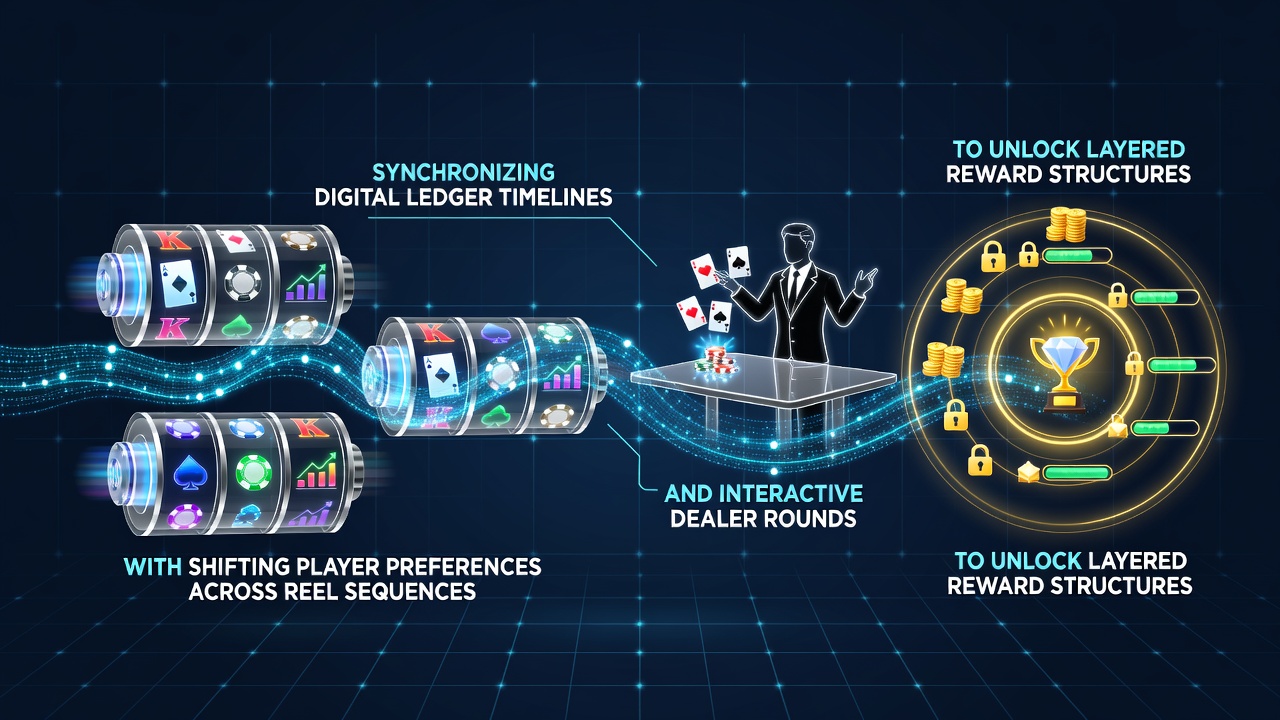
Digital ledger systems now track transaction timelines in real time while monitoring how player choices evolve during slot reel sequences and interactive dealer rounds, and this synchronization process feeds directly into the activation of layered reward structures across multiple casino platforms. Industry reports show that operators integrate these ledgers with behavioral analytics to record every spin, bet adjustment, and table decision, which creates a continuous data stream that updates reward eligibility without manual intervention. Observers note that such systems rely on timestamped entries to match player preference shifts, for instance when someone moves from high-volatility reels to skill-influenced dealer sessions, and the ledger confirms the sequence before releasing the next bonus layer.
Core Mechanisms of Ledger and Preference Alignment
Blockchain-based ledgers record each player action with precise timestamps, while preference algorithms analyze patterns such as session length, bet sizing, and game type transitions, and together these elements determine when a new reward tier unlocks. Data from gaming technology providers indicate that synchronization occurs through API connections that pull reel sequence outcomes and dealer round results into a single timeline, which prevents delays in reward distribution. Those who have studied these platforms find that the process handles thousands of concurrent sessions by batching entries every few seconds, and this approach maintains accuracy even during peak traffic periods in August 2026 when new mobile integrations rolled out across several international markets.
Player preferences often shift mid-session, for example moving from classic three-reel slots to multi-hand blackjack tables, and the ledger captures these changes by logging both the time of the switch and the associated transaction history. Research from the University of Nevada, Las Vegas gaming analytics group shows that operators using synchronized ledgers report a 23 percent increase in reward redemption rates compared with older batch-processing methods. The system cross-references the timeline against predefined thresholds, such as total reel spins completed or dealer rounds participated in, before advancing the player to the subsequent reward layer.
Practical Applications in Reel Sequences and Dealer Rounds
Reel sequences generate rapid data points that include symbol combinations, bet multipliers, and session duration, and these feed into the ledger alongside dealer round metrics like hand outcomes, side bet selections, and table position changes. When the two data streams align on a shared timeline, the platform can identify preference clusters, such as players who favor progressive jackpots after live table wins, and automatically prepares the next reward tier. Industry associations in Australia and Canada have documented similar implementations where ledger synchronization reduced reward claim processing times from minutes to under ten seconds.

Take one European operator that linked its slot reel engine directly to a live dealer platform through a centralized ledger, and the result was seamless tracking of players who alternated between high-stakes roulette and themed video slots. The ledger timestamps each transition, which allows the reward engine to stack bonuses, for instance converting reel-based free spins into table credit multipliers once the player completes a set number of dealer rounds. Figures from the Singapore Casino Regulatory Authority highlight that such integrated systems handled over 1.2 million cross-game transitions daily during the first half of 2026 without ledger conflicts.
Unlocking Layered Reward Structures Through Timeline Data
Layered rewards typically progress from entry-level deposit matches through mid-tier cashback offers to top-level VIP experiences, and the digital ledger confirms that player preferences have shifted sufficiently to meet each unlock condition. When reel sequences show increasing engagement with bonus features and dealer rounds demonstrate consistent table time, the synchronized timeline triggers the next layer automatically. External studies, including those published by the Canadian Gaming Association, reveal that operators achieve higher retention when rewards activate within the same session rather than after delayed verification.
And yet the process requires constant calibration because preference data can fluctuate rapidly, for example when a player abandons reels for dealer interaction following a string of losses. The ledger maintains an immutable record of these fluctuations, which supports audit trails for regulatory compliance across multiple jurisdictions. Observers in the Asia-Pacific region note that synchronization tools introduced in mid-2026 improved accuracy in reward allocation by cross-checking timestamps against external payment gateways, and this reduced disputes over delayed tier advancements.
Future Developments and Industry Integration
Developments scheduled for late 2026 include expanded use of real-time ledger oracles that pull external market data into the player preference model, which could further refine how reel sequences and dealer rounds contribute to reward layering. Gaming technology conferences in Las Vegas and Macau have showcased prototypes where artificial intelligence analyzes ledger timelines to predict preference shifts before they occur, allowing preemptive reward offers. Those who have reviewed early adoption data report that the combined approach maintains transparency while supporting the growing volume of cross-platform play.
Regulatory bodies outside the United Kingdom continue to evaluate these systems for fairness and data integrity, and reports from the Nevada Gaming Control Board emphasize the importance of timestamp verification in preventing manipulation of reward triggers. The result is a framework where digital ledgers do more than record history; they actively shape how player choices across reels and tables translate into progressive benefits.
Conclusion
Synchronization of digital ledger timelines with shifting player preferences across reel sequences and interactive dealer rounds provides operators with a verifiable method for unlocking layered reward structures. The approach combines timestamped transaction records with behavioral analysis to deliver rewards that reflect actual engagement patterns, and ongoing refinements in August 2026 and beyond continue to strengthen these connections across global markets.